

Decorating our environment can have a profound impact on our mood, our energy and our well-being. The use colors and inspiring textures can create an atmosphere that motivates us, inspires us and soothes us. In this article, we will explore the importance of colors and textures in interior decoration and how you can use them to create a space that reflects your personality and supports your personal development.
The influence of colors on our mood and energy
The psychology of colors and their impact on our emotions
Colors are perceived by our eyes and brain, and they have the ability to trigger emotional reactions and physiological. When we see a color, our brain processes the visual information and associates it with meanings symbolic and emotional.
Some colors are considered stimulating and energizing, while others are perceived as calming and soothing. For example, bright colors like red and orange can awaken our senses and increase our energy level. They can make us more alert, creative and motivated. On the other hand, the soft colors and soothing like blue and green have a more relaxing on our mind and body. They can help us relax, to reduce stress and promote a feeling of tranquility.
The impact colors on our mood and our energy can be influenced by factors such as our past experiences, our culture and our individual preferences. For example, one person may feel particularly inspired and motivated by red, while another may find this color too stimulating and prefer softer tones.
It is also important to note that the impact of colors can vary depending on the context. For example, in a room where you want to relax, a color soothing like blue may be more appropriate, while in a creative workspace, some bright colors and dynamic can stimulate productivity.
Different color palettes and their effects
Warm color palette:

Dominant colors: red, orange, yellow. Warm colors are energizing and stimulating. They can awaken our senses, increase our energy level and evoke strong emotions. This palette is ideal for spaces where you want to stimulate creativity, conversation, or physical activity.
Cool color palette:

Dominant colors: blue, green, purple. Cool colors have a calming and refreshing effect on our mind and body. They can promote calm, concentration and peace of mind. This palette is perfect for spaces where you want to relax, recharge, or encourage reflection.
Neutral color palette:

Dominant colors: white, beige, gray. Neutral colors create a backdrop soothing and balanced. They are versatile and allow other decorative elements to stand out. Neutral colors bring a feeling of calm, of simplicity and of elegance. This palette suits many decoration styles and can be used to create a harmonious atmosphere.
Bright and bold color palette:

Dominant colors: bright pink, electric blue, lemon yellow. Bright and bold colors bring a dynamic energy and a strong visual presence. They can evoke positive emotions, inspire creativity and add a touch of originality to a space. This palette is ideal for those seeking bold and eye-catching decoration.
Natural and earthy color palette:

Dominant colors: brown, olive green, earth tones. Natural and earthy colors evoke a feeling of warmth, of stability and connection with natureThey can bring a organic ambiance and soothing to a space. This palette suits those looking for a natural atmosphere in their decoration.
If you are looking for a practical solution to integrate colors and textures into your interior decoration, you will be delighted to discover the colorful Pegboards offered by Aire. These versatile perforated panels are not only functional but also add an aesthetic touch to your space. With a range of vibrant colors and varied textures, they are an excellent option to combine practicality and aesthetics in your interior decoration.
Using pleasant textures to create a comforting atmosphere
The importance of textures
When it comes to interior decoration, textures play a crucial role in the creation of a unique atmosphere and immersive. They add a tactile dimension to our environment and awaken our senses in a subtle yet powerful way. The importance of textures in interior decoration lies in their ability to evoke sensations and enrich our experience in a space.
Textures can vary considerably, ranging smooth surfaces and polished to rough textures and textured. Each material used brings its own sensation to the touch and can evoke distinct emotions. For example, a plush carpet can invite to relaxation and to softness, while an exposed brick wall can evoke a a rustic feeling and warmth.
Besides the aesthetic aspect, textures also have the ability to influence our mood and our well-being. For example, a soft texture and comfortable can create a feeling of comfort and privacy, thus promoting calm and relaxation. Conversely, more stimulating textures, such as raised surfaces you materials with textured patterns, can bring a dynamic visual and spark interest.
Creating an atmosphere through textures
When it comes to creating pleasant textures to the touch in interior decoration, there are a multitude of materials commonly used materials that bring a unique tactile dimension to a space. Here are some of these materials:
Wood:

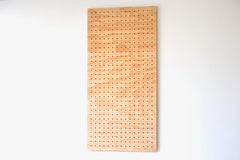
Wood is a versatile that offers a wide variety of textures. From smooth, polished wood to raw wood with natural grooves, it brings a natural warmth and an organic feel to the touch. The grain of wood can vary from one species to another, adding diversity and visual interest. At Aire we use different wood textures, so you can have fun mixing textures.
Fabric:

Fabrics are essential for creating pleasant textures to the touch. Soft fabrics like cotton, linen, and wool provide a warm feeling and comfortable. Textured fabrics, like velvet or tweed, add an extra dimension and can create an interesting visual contrast.
Stone:

Stone, whether used for flooring, walls, or decorative elements, brings a solid and sturdy texture. Smooth stones like marble or granite offer a refined and elegant to the touch, while rougher natural stones, like slate or sandstone, add a more rustic feel.
Glass:

Smooth, transparent glass can add a modern touch and sophisticated to a space. However, textured glass, like frosted or wavy glass, creates interesting surfaces to the touch, diffusing light in a in a unique way and add dimension to a design.
Metal:

Metal surfaces can provide a smooth and cool feeling to the touch. Polished metals, such as stainless steel or brass, offer a smooth finish and shiny, while textured metals, like hammered copper or zinc, add a more tactile sensation and artistic.
Wall coverings:

Wall coverings, such as textured wallpaper, embossed panels you exposed bricks, can add interesting textures on the walls. They create a visual focal point and offer an additional tactile sensation in a room.
Using these materials in interior decoration allows you to create varied surfaces and attractive to the touch. Combining different textures creates a rich sensory experience and engaging. When choosing materials for your decoration, think about the feeling you want to create and how they fit harmoniously in your overall space.
Harmonious combinations of colors and textures
When you are looking for harmonious color combinations and textures in your interior decoration, it is important to find a visual balance and tactile. Here are some combination ideas that might inspire you:
Neutral colors with rich textures:

Neutral colors such as off-white, beige, or gray are classic and versatile. To add visual interest, pair them with rich textures like velvet, leather, or carved wood. This creates a contrast subtle that brings both sophistication and warmth to your space.
Earth tones with natural textures:

Earth tones such as brown, olive green, or terracotta are ideal for creating a natural atmosphere and soothing. Pair them with natural textures like linen, rattan, or natural fiber materials like jute or wicker. This creates a organic and relaxing, evoking the beauty of nature inside your home.
Bold colors with bold textures:

If you love the bright colors and bold, don’t hesitate to use them in your decor. Pair them with equally bold textures like geometric patterns, artistic prints, or metallic textures. This combination will create a strong visual impact and will add a touch of energy and creativity to your space.
Pastel colors with soft textures:

Pastel colors such as powder pink, sky blue, or mint green are soothing and delicate. Pair them with soft textures like cotton, silk, or plush materials such as faux fur. This combination creates a calm atmosphere, perfect for bedrooms or relaxation spaces.
Subtle contrasts with textures:

You can also create contrasts subtle in combining similar colors but slightly different with varied textures. For example, combine shades of light blue with smooth and shiny textures like glass or metal, as well as rougher textures like linen fabric or raw wood. This gives an interesting visual dimension while maintaining an overall harmony.
The key is to find a balance between colors and textures to create a cohesive atmosphere and aesthetically pleasing. Experiment with different combinations and let your creativity flow. Don’t forget to consider the mood and effect you want to achieve in each area of your home.
In conclusion
Interior decoration is not limited not just aesthetics, but can also play an essential role in our emotional well-being and our personal development. By choosing colors and inspiring textures, you can transform your space into a sanctuary that reflects your personality and helps you feel inspired, motivated, and calm. Take the time to explore different color palettes and textures to create an environment that promotes your personal growth.
0 comments